

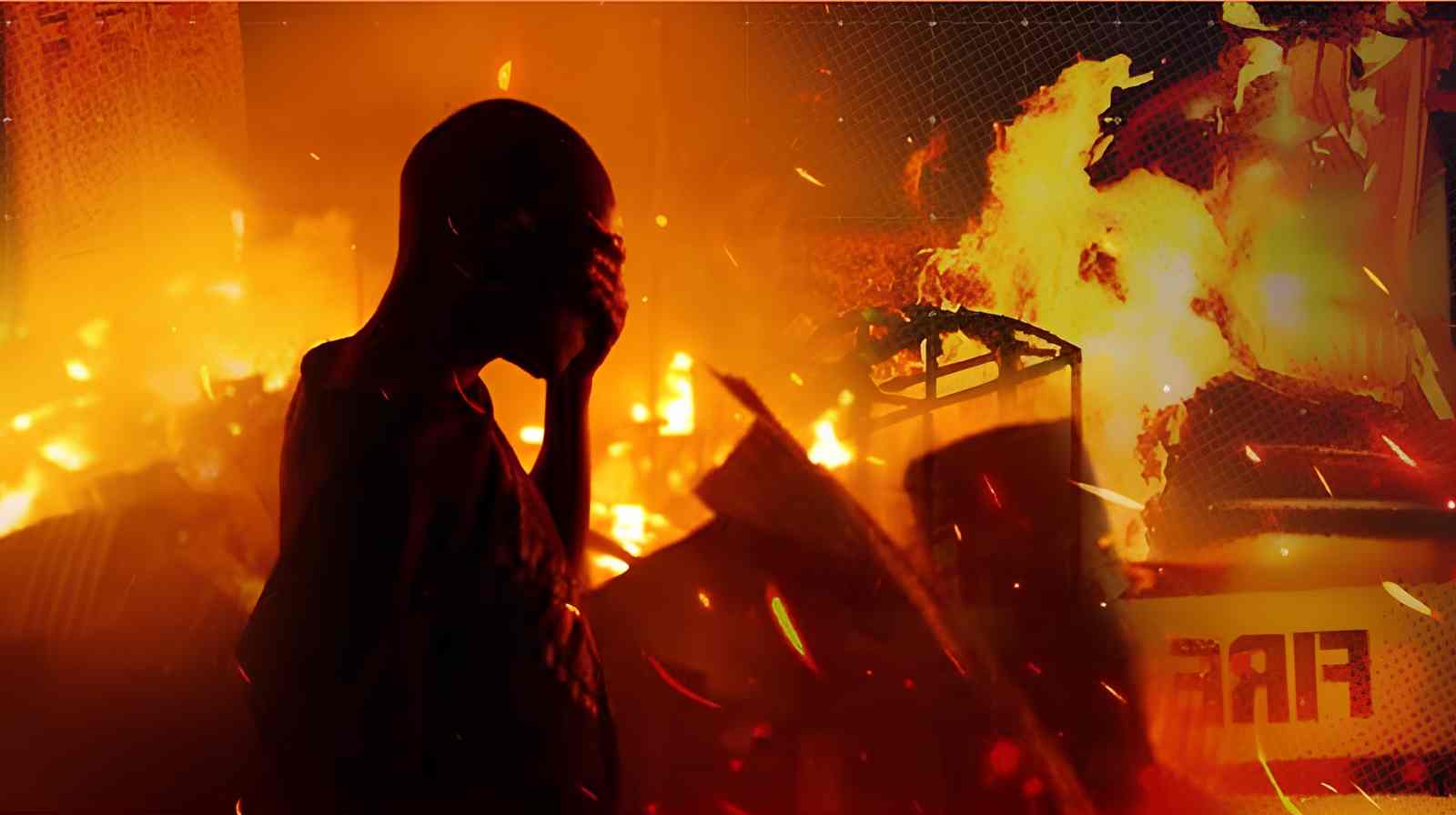
School Damage Bills Shift to Parents Following Strikes and Arson in 204 Institutions.
Parents in several parts of the country are being required to shoulder the financial consequences of student unrest following a recent wave of strikes and arson incidents that have disrupted learning in schools nationwide.
The measures come as education authorities, school administrators, and stakeholders continue to assess the impact of unrest that has affected hundreds of institutions and resulted in significant property damage, school closures, and, in some cases, loss of life.
At Mang’u High School in Kiambu County and Chasimba Secondary School in Kilifi County, students have been directed to pay Sh1,000 each before resuming classes. At Moi Girls High School, Lanet, and Kakamega High School, learners have been instructed to clear outstanding school fee balances before being allowed back to school.
At Utumishi Girls High School, where a deadly fire claimed the lives of students, the effects extend beyond financial losses, with survivors and affected families continuing to deal with the aftermath of the tragedy.
Education Ministry Reports 204 Schools Affected
Education Cabinet Secretary Migos Ogamba recently disclosed that 204 schools had experienced unrest, representing approximately two per cent of all schools in the country.
According to the Cabinet Secretary, 59 of the affected institutions had resumed learning as authorities worked to restore normal operations and safeguard the academic calendar.
The incidents have prompted renewed examination of the causes of student unrest and the growing prevalence of arson attacks in learning institutions.
Concerns Over Emerging Copycat Behaviour
At Agoro Sare High School, Principal Isack Okeyo indicated that students implicated in a recent arson incident admitted that they had been influenced by unrest reported in other schools.
According to the principal, two suspects linked to the incident stated that they had been motivated by similar events occurring elsewhere.
The observations have intensified concerns among education stakeholders regarding the possibility of copycat behaviour among learners, facilitated by social media platforms, mobile phone access, and extensive media coverage of school unrest incidents.
Ambira High School Case Reaches High Court
The issue of liability for damage caused during student unrest has also attracted legal attention.
In Siaya County, the High Court intervened after Ambira High School directed parents to pay Sh33,000 per student to facilitate repairs following unrest that occurred on May 18.
The school estimated the cost of the destruction at Sh50 million and required parents to finance the repairs before students could return to school.
Parents challenged the directive through legal action.
Represented by advocate John Kihara, the parents alleged that the unrest arose from serious complaints that had not been adequately addressed by the school administration.
Court documents cited allegations involving the school captain, members of the prefect council, and other senior students accused of sexually abusing younger learners.
The parents argued that the unrest resulted from unresolved grievances rather than ordinary disciplinary challenges.
Experts Cite Multiple Causes of School Unrest
Security and governance expert Major (Rtd) Dr Mohamed Morowa described school unrest as a complex phenomenon driven by multiple factors rather than a single cause.
According to Dr Morowa, contributing factors include:
- Academic pressure;
- Poor communication between students and school administrations;
- Harsh disciplinary practices;
- Inadequate living conditions;
- Family-related challenges;
- Substance abuse;
- Peer influence; and
- Weak guidance and counselling systems.
Dr Morowa noted that schools are expected to provide safe and supportive environments for learning and personal development.
He stated that unresolved concerns relating to accommodation, food quality, discipline, welfare, and leadership can escalate into destructive behaviour if not addressed promptly.
Student Complaints Emerging in Several Schools
Accounts from affected institutions indicate that student grievances often preceded incidents of unrest.
At Mang’u High School, students were required to contribute Sh1,000 each following a strike that resulted in broken windows and damaged property.
At Chasimba Secondary School, boarders were similarly directed to pay Sh1,000 after unrest at the institution. The school has previously experienced incidents including an attempted arson attack and vandalism targeting the principal’s vehicle.
At Kakamega High School, students were instructed to clear second-term fee balances before returning after a dormitory fire led to the school’s closure.
Students at some institutions cited dissatisfaction with food provision among the issues contributing to tensions.
At Kakamega High School, one learner indicated that concerns regarding food portions had been raised repeatedly before the dormitory fire occurred.
At Our Lady of Mercy Secondary School in Nairobi’s Shauri Moyo area, a parent reported that a disturbance on May 24 nearly resulted in a dormitory fire after students allegedly poured fuel inside the facility but failed to ignite it.
Students at the school reportedly expressed dissatisfaction with school administration practices and the quality of meals provided.
Psychological and Social Factors Identified
Psychologist Jared Omache attributed part of the current trend to the evolving social and emotional realities facing adolescents.
According to Omache, many student concerns have existed for years, but modern learners are growing up in a rapidly changing environment characterised by increased exposure to information and heightened social pressures.
He observed that adolescents often lack mature coping mechanisms for dealing with frustration, disappointment, and stress.
Read Also: DCI to Store Student Crime Records for Future Good Conduct Vetting
A teacher from Upperhill School, speaking anonymously, pointed to family instability, limited parental engagement, and weakened support systems as contributing factors.
The teacher stated that educators are increasingly expected to address emotional and social challenges beyond their professional training.
Financial Constraints Affecting Schools
Boaz Waruku, Policy and Strategy Advisor at Elimu Bora Working Group, stated that while student concerns should be understood, acts of arson and destruction cannot be justified.
Waruku noted that many schools are facing financial pressures that affect their ability to provide essential services, including adequate meals, water, accommodation, and sanitation.
He indicated that deficiencies in these areas frequently become sources of tension between learners and school administrations.
Examination Pressure Also Linked to Unrest
Former Basic Education Principal Secretary Prof Julius Bitok linked some incidents to examination-related anxiety among learners.
According to Prof Bitok, schools may consider postponing examinations in situations where pressure associated with assessments contributes significantly to student distress.
Education stakeholders have identified examination anxiety, inadequate facilities, food shortages, water challenges, and ineffective communication channels as recurring issues associated with unrest in schools.
Calls for Long-Term Interventions
Education experts have called for comprehensive interventions aimed at addressing the underlying causes of student unrest.
Recommended measures include:
- Strengthening guidance and counselling programmes;
- Improving communication channels between learners and administrators;
- Enhancing student participation in decision-making processes;
- Addressing welfare concerns promptly;
- Promoting parental involvement; and
- Strengthening collaboration between schools, communities, and education authorities.
Read Also: Return of Caning? MPs Float Return of Corporal Punishment in Schools
Dr Morowa stated that school unrest should not be viewed solely as a disciplinary issue but as an indicator of broader systemic challenges within learning institutions.
He emphasized the need for sustained cooperation among stakeholders to create safer and more supportive learning environments for students across the country.
As affected schools continue reopening, attention remains focused on repairing damaged infrastructure, recovering lost instructional time, and implementing measures aimed at preventing further incidents of unrest.
School Damage Bills Shift to Parents Following Strikes and Arson in 204 Institutions.
